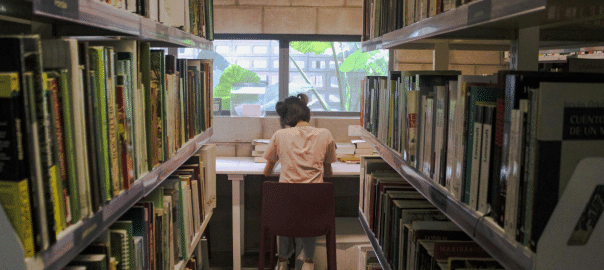
Walk into a typical classroom and you’ll see a familiar scenario: students reading textbooks, listening to lectures, and taking notes. Yet ask those same students a week later what they remember, and much of that information has faded.
This isn’t a failure of effort, it’s a reflection of how human memory actually works. Decades of research in cognitive science and education point to a simple but powerful truth: students remember far more when they actively do something with knowledge rather than passively receive it.
The Science Behind “Learning by Doing”
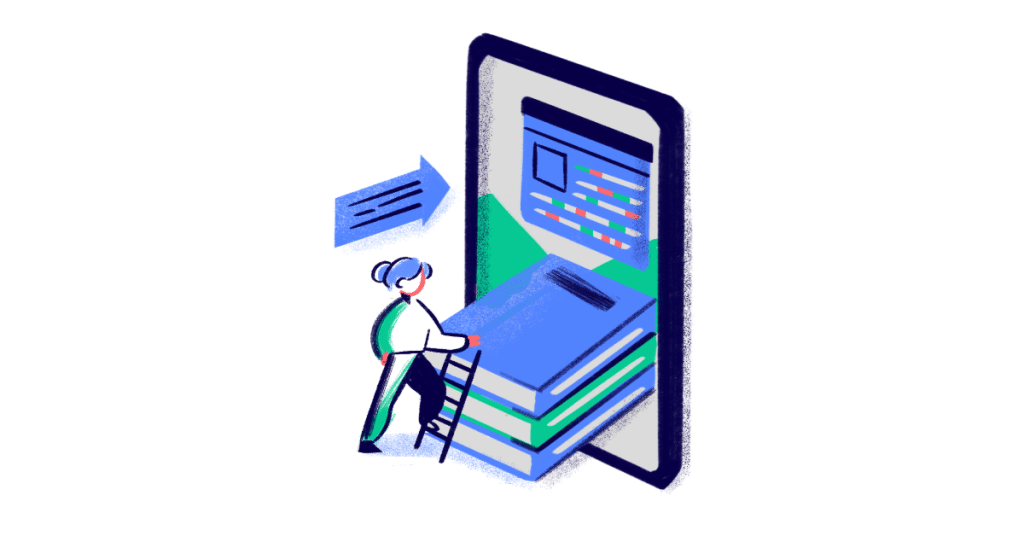
The idea that action improves memory isn’t new. A-well known principle in psychology, often called the “enactment effect,” shows that people tend to remember actions they perform better than those they only observe or read about.
Learners who physically performed tasks consistently demonstrated stronger memory recall than those who only watched or read instructions.
Why does this happen?
When students do something, multiple cognitive systems are activated at once:
- Motor activity (physical or simulation action)
- Decision-making processes
- Emotional engagement
- Contextual understanding
This creates richer memory “encoding,” making the information easier to retrieve later.
Passive Learning Feels Effective—But Isn’t
One of the biggest challenges in education is that passive learning feels productive. Reading a chapter or listening to a lecture gives students a sense of familiarity. But familiarity is not the same as retention.
Research on memory shows that re-reading material leads to weaker long-term retention than actively retrieving or applying knowledge.
In one study, students who repeatedly tested themselves on material remembered significantly more after a week than those who simply re-read the same content multiple times.
In other words:
- Doing = long-term memory
- Reading = short-term confidence
Experiential Learning: Turning Knowledge Into Experience
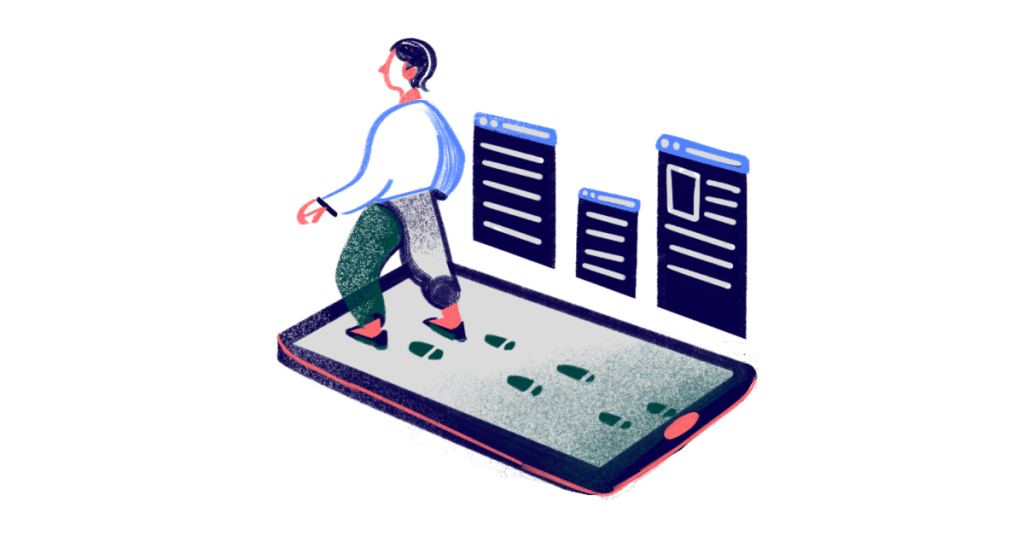
This is where experiential learning comes in. Defined as “learning by doing,” it involves engaging students directly in experiences where they must apply concepts, reflect on outcomes, and adapt their thinking.
Educational theorist David Kolb described learning as a cycle:
- Do (experience)
- Reflect
- Think (form concepts)
- Apply
This cycle transforms abstract ideas into usable knowledge. Students are no longer memorizing theories, they are using them.
Studies show that this approach:
- Builds real-world skills like problem-solving and adaptability
- Improves retention
- Increases engagement
What This Means for High School Education
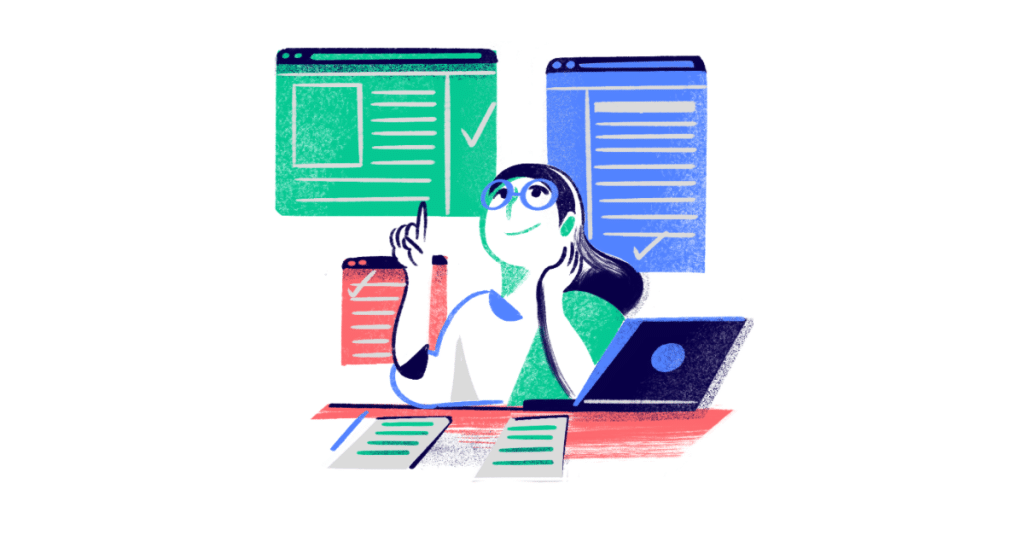
If the goal of education is long-term understanding, not just short-term test performance, then relying solely on reading and lectures is not enough.
Students need opportunities to:
- Make decisions
- Test ideas
- Experience consequences
- Reflect on outcomes
This is especially true in subjects like business, where success depends on applying knowledge in dynamic, unpredictable situations.
Where Business Simulations Fit In
Business simulations are a powerful example of experiential learning in action.
Instead of reading about how to run a business, students:
- Set prices
- Compete with peers
- Manage budgets
- Read and interpret reports
- Respond to market changes
They experience the consequences of their decisions in real time, something a textbook simply cannot replicate.
This transforms learning from abstract to tangible:
- Concepts become strategies
- Mistakes become lessons
- Knowledge becomes experience
And most importantly, it sticks.
Rethinking What It Means to “Learn”
The evidence is clear: students don’t truly learn by exposure, they learn by engagement.
Reading and lectures still have a place, but without opportunities to apply knowledge, much of that learning fades quickly.
If schools want students to retain what they learn and be able to use it beyond the classroom, they need to shift from:
- Passive consumption to Active participation
- Memorization to Application
- Knowing to Doing
Because in the end, students may forget what they read, but they rarely forget what they’ve done.
If we want students to truly retain what they learn, we need to give them more opportunities to apply it. Smartsims Business Simulations are one practical way to start bringing real decisions, real consequences, and real learning into the classroom.
Ready to see it in action? Learn more or get in touch with our team.